

When I’m reviewing a new live casino autoplay feature, I treat it like balancing a UE5 cinematic sequence against live operations bandwidth. The goal is simple: players want momentum without losing control of their session, and the operator needs a tool that doesn’t turn a busy arvo into a compliance headache. For Aussie adults 18+ weighing a live table on a quiet evening, autoplay sounds convenient on paper, but the real question is whether the pacing, limits, and session transparency actually match how you play. Before you press go, here’s the kind of thinking I’d bring to a design review.
What autoplay actually does on a live table
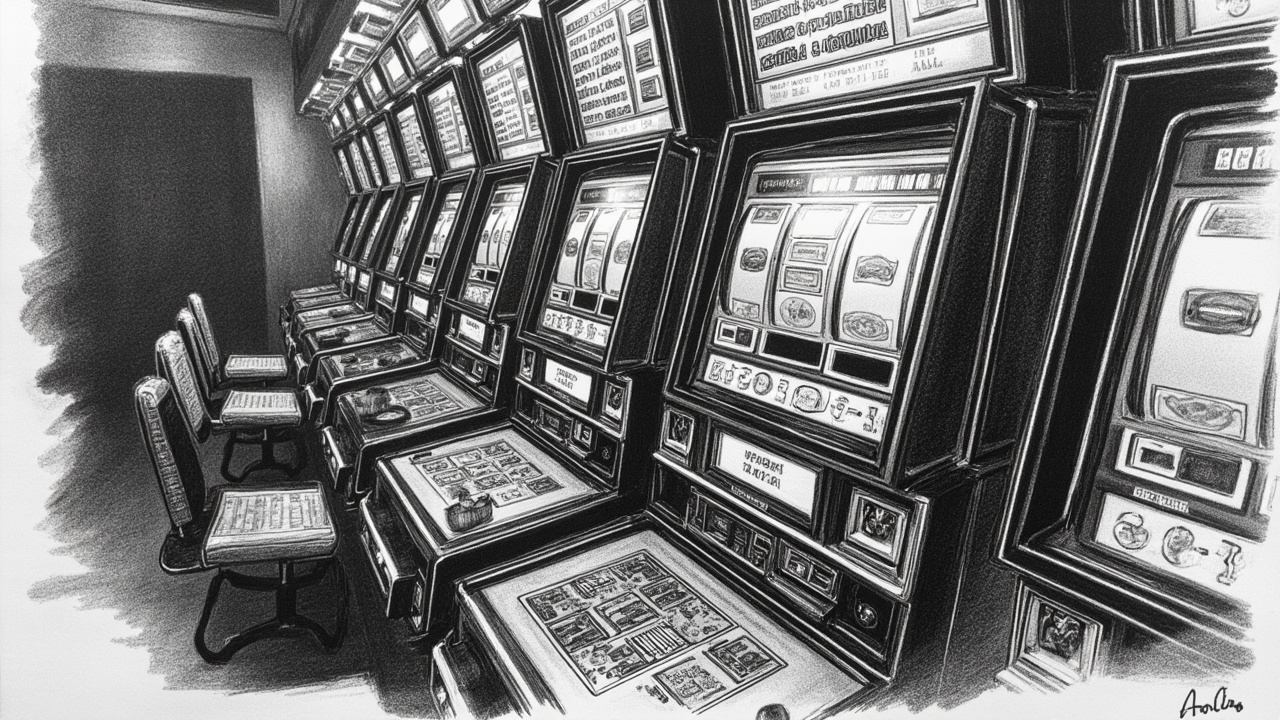
A live casino autoplay feature isn’t a slot machine’s spin-until-you-quit loop, and that distinction matters. On a live table, autoplay usually means the system places your pre-set bet across a run of hands, rounds, or spins while the real dealer and the live stream keep rolling. The core offer is continuity: you pick your stake, your number of repeats, and a stop condition, then the table keeps moving while you watch the feed. Two traits separate a decent implementation from a sloppy one. First, the pacing has to stay tied to the live dealer’s rhythm, not some detached bot timer, because a table that runs ahead of the shoe or the wheel looks broken on camera and feels worse in the hand. Second, the stop signals need to be visible and immediate – a loss limit, a win target, or a hard round cap – so the feature is a pacing aid rather than a momentum trap. In everyday use, that means you can settle in for a quiet session, let the rounds stack without babysitting every click, and still step out the moment your conditions are met. The overall fit is strongest for players who already know their table, their stake comfort, and goldencrown-casinoo.org their exit point before the first card drops.
The questions worth asking before you switch it on
Treat autoplay like a design brief, not a button you tap on instinct. The first question is how the stake behaves when the table shifts: does the feature hold your selected bet steady, or does it re-read the minimum when the dealer changes pace or the shoe turns? The second is what happens at the edges – a win target hit mid-run, a loss limit reached, or the round count expiring – because a clean exit is the difference between a useful tool and a session that keeps dragging. The third is whether the live stream and the autoplay state stay in sync, since a feature that looks smooth in the lobby but lags behind the actual deal is just noise. I’d flag any setup where the stop conditions hide behind a second menu or where the bet confirmation blurs into the background; that’s the kind of friction that turns a convenience into a sloppy habit. A solid live casino autoplay feature makes the run transparent before you commit, and it lets you cancel or adjust without hunting through panels. If you’re comparing options, you canplay big red and see how a live table presents those controls in practice, then judge whether the flow matches your own session style.A closer look at Italy’s evolving
- Does the stake hold steady when the table or shoe changes?
- Are win targets, loss limits, and round caps visible before you start?
- Can you stop or adjust mid-run without digging through menus?
- Does the live feed stay in sync with the autoplay state?
- Is there a clear confirmation before the first automated round?
Where limits, sync, and session control actually matter
The part most players skip is the boring machinery around the run, and that’s exactly where a feature earns or loses trust. A live casino autoplay feature has to sit inside the same session controls as the rest of the table – deposit reality, stake checks, and the stop signals you set before the first round – because autoplay doesn’t create a separate play universe. The practical risk is pace without visibility: a run that keeps going because the stop condition is buried, or because the confirmation is so light you don’t really register it. In my experience, the cleanest setups put the exit rules front and centre, repeat the key numbers on the live display, and let you kill the run in one action rather than three taps across two panels. That matters for Australian players especially, because a quiet session on a Tuesday arvo can drift if the controls feel abstract. A useful feature keeps the live dealer, the stream, and the automated rounds in the same frame, so you’re watching the same game you’d play manually, just with the clicking handled for you. When the sync is off, the whole thing feels like a layer sitting on top of the table rather than part of it.
What this means for Australians playing live
For locals weighing a live table, the main takeaway is that autoplay is a pacing tool, not a shortcut around judgement. Australian players tend to treat a live session like a planned night out: you pick a stake you’re comfortable with, you set a stop point, and you watch the game rather than chasing it. A well-built live casino autoplay feature respects that rhythm by keeping your limits visible, your stake predictable, and your exit immediate. The practical consequence is simple – if the feature hides the stop rules, drifts from the live feed, or makes cancellation fiddly, it’s doing the opposite of what you wanted. On the other hand, if it keeps the run transparent and lets you step out cleanly, it can take the repetitive clicking out of a long session without changing how you play. That’s the difference between a feature that fits a Newcastle evening and one that just adds noise to it.
As Evie Stewart, Affiliate Partnerships Director at Nullarbor Gaming Analytics, puts it: “Autoplay works best when the player has already decided their exit point before the first automated round, because the feature should carry out a plan, not invent one.” Harrison Hill, Compliance Director at Southern Reef Gaming, is more cautious on the control side: “Any live automation has to keep the stop signals as visible as the bet itself, or you’re asking players to trust a run they can’t actually see ending.” Lachlan Campbell, Head of Operator Partnerships at Murray River Gaming Research, frames it around fit rather than hype: “The right live casino autoplay feature suits players who know their table and their limits; it’s a convenience for a planned session, not a replacement for reading the room.”

If you’re testing the idea on a live table, the honest verdict is to treat autoplay as a session manager, not a thrill machine. Set your stake, set your stop, and make sure the controls are visible before you commit. When the feature keeps the live game in frame and lets you step out cleanly, it earns its place; when it hides the edges or drifts from the stream, it’s just clutter. No worries if you prefer manual clicks – the point is to match the tool to the way you actually play, not the other way around.